



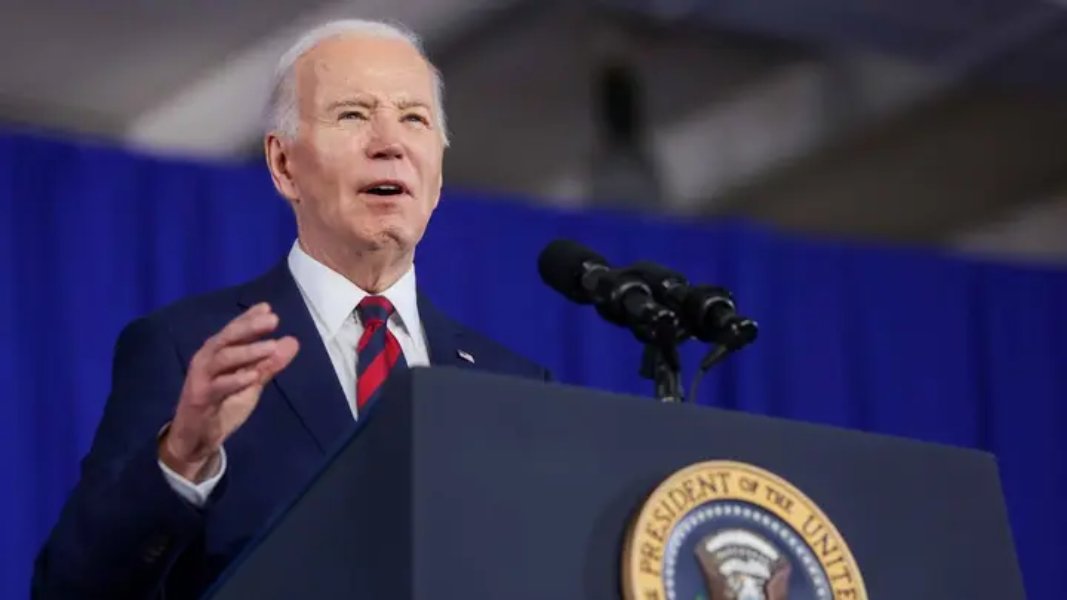
The legal lifeline that shielded millions of Americans from ballooning student debt has been officially cut. On Monday, the U.S. Court of Appeals for the 8th Circuit issued a final judgment terminating the Saving on a Valuable Education (SAVE) plan — the centerpiece of former President Joe Biden’s student loan relief agenda — bringing years of courtroom uncertainty to a definitive close.
The consequences are immediate and far-reaching. More than 7 million borrowers remain enrolled in the now-defunct program as of the fourth quarter, and they will need to find a new repayment path forward. Launched in 2023, the SAVE plan was marketed by the Biden administration as the most borrower-friendly federal repayment program ever designed. It earned that distinction through a single, unprecedented feature: it was the only repayment plan in history that fully subsidized unpaid monthly interest, meaning a borrower’s outstanding balance could never increase — even if their monthly payment didn’t fully cover the interest accruing on their loan. For millions of low- and middle-income borrowers, that protection was transformative. It offered a financial floor that no prior repayment structure had provided.
How the Court Ruled — and Why
Monday’s decision overturns a February dismissal by Judge John Ross of the U.S. District Court for the Eastern District of Missouri, who had previously rejected a Republican-led legal challenge against the program.
The 8th Circuit reversed that dismissal, siding with the coalition of Republican-led states that argued the Biden administration had overstepped its authority in creating the plan. The ruling formally resolves what had become a years-long tug-of-war between those states and the federal government.
The legal saga had already produced significant disruption. Following an earlier injunction, close to 8 million borrowers were placed into “litigation forbearance” — a payment pause that shielded them from immediate financial harm but also froze progress toward loan forgiveness milestones. A subsequent attempt by a lower court to dismiss the case after a settlement with the Trump administration added a brief period of confusion before Monday’s final ruling brought clarity.
With SAVE formally off the table, enrolled borrowers face a critical decision point. Financial advisors and student loan experts are urging affected individuals to act quickly and explore the repayment alternatives now available to them.
Income-Based Repayment (IBR) is the most accessible option currently on the table. Under IBR, monthly payments are capped at 10% to 15% of a borrower’s discretionary income, with loan forgiveness available after 20 to 25 years of qualifying payments. A new option is also on the horizon. Under the One Big Beautiful Bill Act (OBBBA) — signed into law under President Donald Trump — the Repayment Assistance Plan (RAP) will become available beginning July 1, 2026. RAP calculates payments on a sliding scale of 1% to 10% of a borrower’s total Adjusted Gross Income (AGI) and mandates a 30-year repayment period for all participants, regardless of income level.
A Critical Warning for Public Service Workers
Borrowers working toward Public Service Loan Forgiveness (PSLF) — the federal program that eliminates remaining student debt after 10 years of qualifying public service employment — face a specific and urgent concern.
Because SAVE plan progress was effectively frozen during the litigation forbearance period, many PSLF-track borrowers may have lost credit for months that should have counted toward their forgiveness timeline.
Experts are strongly advising these borrowers to verify their PSLF eligibility immediately and to submit an application to reclaim credit for any months lost during the freeze.
Monday’s judgment is more than the end of a single program — it is the definitive conclusion of one of the most contentious chapters in U.S. student loan policy in recent memory.
The ruling reinforces the legal limits of executive action in reshaping federal student loan programs without congressional authorization, a principle Republican-led states argued throughout the litigation. For borrowers, the immediate priority is practical: find a plan, verify your status, and act before forbearance protections potentially expire.
With over 7 million people now in limbo, and a new repayment option still months away, the window to make an informed decision is narrowing fast. The 8th Circuit’s final ruling closes the door on the SAVE plan and opens a new — and more uncertain — chapter for millions of student loan borrowers across the country. While alternatives like IBR exist today and RAP arrives next year, the burden of navigating the transition falls squarely on borrowers. Staying informed and acting promptly has never been more critical.
