



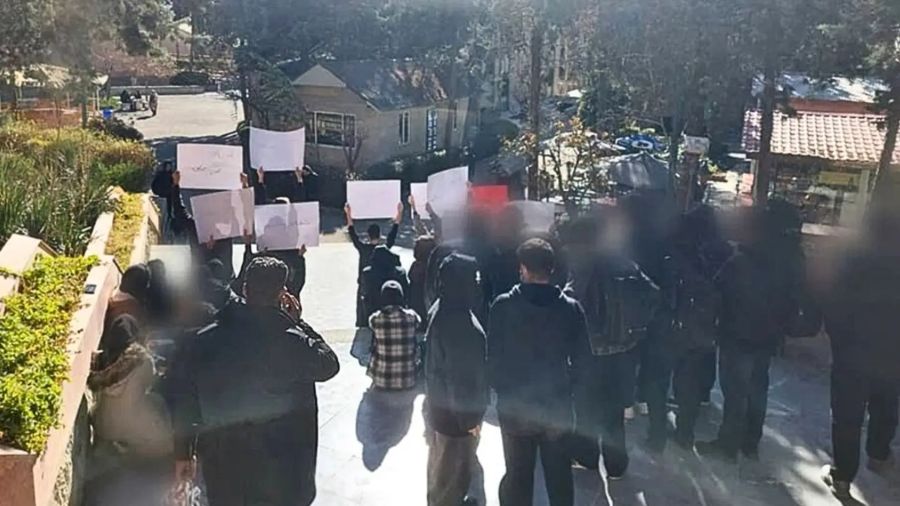
Iranian authorities have imposed a near-total nationwide internet shutdown as protests against the ruling regime continue to expand, a move experts say is designed to suppress information and limit visibility into the government’s response to unrest.
Internet access across Iran reportedly dropped to a tiny fraction of normal levels as authorities escalated from regional disruptions to a centralized, countrywide blackout. The shutdown has affected mobile networks, fixed-line connections, and digital services critical to daily life, including banking systems, emergency communications, and government platforms.
Cybersecurity analysts described the blackout as among the most extreme ever implemented in Iran, signaling a significant upgrade in the government’s ability to disconnect the population rapidly.
Centralized ‘Kill Switch’ Raises Alarm
Digital rights experts say the Iranian government now appears to have a fully centralized internet “kill switch,” allowing authorities to sever connectivity nationwide through a single command. Unlike earlier shutdowns that were implemented city by city, the current blackout reflects a top-down system capable of near-instant execution.
Analysts warn that such centralized control leaves citizens with virtually no legal or technical means to challenge or bypass the shutdown, effectively placing the country in digital isolation.
Protests Spread as Casualties Increase
The blackout coincides with escalating demonstrations that have spread to hundreds of cities and towns across Iran. Human rights groups report a sharp rise in fatalities, with dozens of protesters allegedly killed and thousands arrested during clashes with security forces.
Rights organizations accuse Iranian authorities of using live ammunition, mass detentions, and physical violence to suppress dissent. The lack of internet access has made independent verification difficult, raising concerns that the accurate scale of casualties may be higher than currently known.
Essential Services Disrupted
Beyond limiting the flow of information, the shutdown has disrupted critical services relied upon by ordinary Iranians. Reports indicate that banking transactions, digital payments, medical coordination, and public services have been affected, leaving many citizens unable to conduct basic daily activities.
With internal communication severely restricted, families have struggled to contact one another, and businesses have been forced to suspend operations as digital systems remain offline.
Limited Workarounds Remain Risky
Despite the sweeping restrictions, small connectivity gaps reportedly persist. In some border regions, mobile signals from neighboring countries can be accessed occasionally. Satellite-based internet services may also offer limited access, though possession of such equipment is illegal and carries significant risk.
Experts note that these workarounds are increasingly rare and unreliable as authorities tighten enforcement.
Global Concern Grows Over Information Blackout
Observers say the decision to impose a near-total blackout suggests growing fear within Iran’s leadership that images and information from the protests could reach the outside world. Similar shutdowns were used during past periods of unrest, often followed by reports of widespread violence once connectivity was restored.
International leaders have warned Iran against using force on demonstrators and called for respect for fundamental rights, including freedom of expression and access to information.
As protests continue and the internet remains offline, mainly, the situation inside Iran is unfolding behind a digital curtain, leaving much of the world unable to fully assess conditions on the ground while fears of further escalation grow.
