



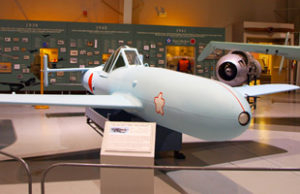
Life-sized replica models of early Japanese and German World War II combat jets are on their way to a new permanent home at the National Warplane Museum in Geneseo.
According to museum president Austin Wadsworth, the aircraft replicas were constructed by Nunda resident George Lucas and are being donated following their time on display at the Wings of Eagles Discovery Center in Horseheads, New York. The transfer reflects the cooperation and shared mission between aviation museums to preserve and present military history.
Museum leadership expressed strong appreciation for the collaboration that made the move possible.
“We are extremely excited to welcome these unique aircraft into our collection,” Wadsworth said. “We are grateful to Mike Hall, president of the Wings of Eagles Discovery Center, for helping facilitate this transfer. When museums work together to keep history visible and accessible, it strengthens our ability to educate the public and preserve the stories behind these machines.”
The two replicas represent jet-powered aircraft developed by Axis nations during the final stages of World War II. One is the Japanese Navy Yokosuka MX-7, commonly known as the Ohka or “Cherry Blossom.” The other is the German Heinkel He 162, referred to as the Volksjäger, or “people’s fighter.”
The Ohka carries a bleak history. Designed as a piloted, jet-powered flying bomb, the aircraft was used in kamikaze missions against Allied naval vessels. Pilots intentionally crashed the aircraft into enemy ships, causing severe damage and loss of life, including their own. American forces reportedly referred to the aircraft by the nickname “Baka,” a Japanese word meaning “idiot.”
The He 162 represented Germany’s push to counter Allied air superiority late in the war. Built mainly from wood to conserve materials, it was among the fastest of the first generation of military jet fighters and part of Nazi Germany’s final defensive strategy.
Transporting the replicas would not have been possible without the ongoing dedication of museum volunteers. Early Thursday morning, Lucas joined a team of National Warplane Museum volunteers on a trip to Horseheads to retrieve both aircraft.
“Mr. Lucas will play a key role in making sure the aircraft are carefully dismantled, safely transported, and properly reassembled once they arrive in Geneseo,” Wadsworth said.
Once reassembled, the replicas will be displayed in the museum’s exhibit hangar, where visitors can view and learn about these rare examples of early jet aviation history.
