



Several major publicly traded companies saw sharp stock price movements after the closing bell as investors digested earnings reports, regulatory disclosures, and high-profile political signals. Here’s a closer look at the biggest after-hours movers and what’s driving the action.
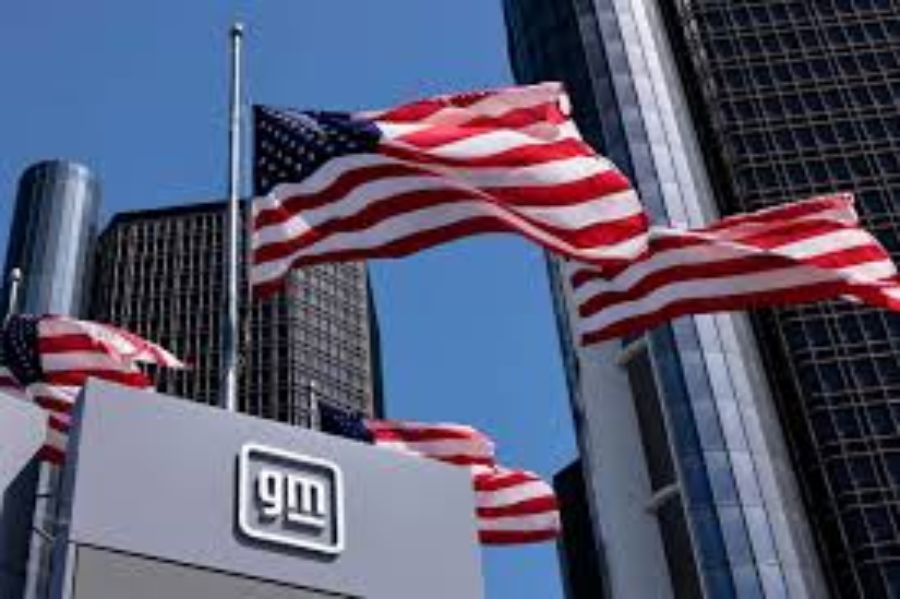
Shares of General Motors fell roughly 2% in extended trading after the automaker disclosed it will record $7.1 billion in special charges during the fourth quarter of 2025. The charges are tied primarily to two major strategic shifts: a pullback from specific electric vehicle initiatives and a restructuring of its operations in China.
The filing signaled that GM is reassessing its global EV ambitions amid slowing demand growth, rising competition, and margin pressure. In China, the company has struggled with weaker sales and intense competition from domestic manufacturers, prompting cost-cutting and operational changes.
Investors reacted cautiously to the size of the write-down, viewing it as a near-term hit to earnings and a sign that GM’s international and EV strategies are entering a more defensive phase.
Intel shares rose about 1.7% after President Donald Trump posted a positive message on social media following a meeting with Intel CEO Lip-Bu Tan. Trump described the meeting as productive and highlighted that the U.S. government is “proud to be a shareholder” in the semiconductor giant.
The U.S. government acquired a 10% stake in Intel last year, making it the company’s largest shareholder. The public endorsement reinforced investor confidence that Intel will continue to receive substantial federal support as part of broader efforts to rebuild domestic chip manufacturing and reduce reliance on foreign supply chains.
While Intel still faces challenges in catching up to rivals in advanced chip production, the after-hours move reflected optimism tied to long-term government backing and strategic importance rather than near-term financial performance.
Tilray Brands Surges on Record Revenue
Tilray Brands was one of the biggest winners in after-hours trading, with shares jumping nearly 8% after the company reported record quarterly revenue. For its fiscal second quarter, Tilray posted revenue of $218 million, beating analyst expectations and marking its strongest top-line performance to date.
The results were driven by growth across its diversified portfolio, which includes cannabis products, beverages, and consumer packaged goods. Investors responded positively to signs that Tilray’s strategy of expanding beyond traditional cannabis markets is helping stabilize revenue and offset ongoing regulatory uncertainty in the U.S.
The strong quarter renewed optimism that Tilray may be positioning itself for sustainable growth rather than relying solely on speculative cannabis market expansion.
WD-40 shares fell sharply, sliding about 9.6% after the company reported lower first-quarter earnings. Net income came in at $17.5 million, down 8% from the same period last year.
While the earnings miss disappointed investors, management emphasized that the weakness was primarily due to timing issues within its distributor network rather than declining consumer demand. The company reaffirmed its full-year guidance, stating that sales trends remain healthy and pointing to a potential rebound later in the year.
Despite those reassurances, the market reacted negatively to the profit drop, suggesting investors are increasingly sensitive to any signs of margin pressure or slowing momentum in consumer staples.
