



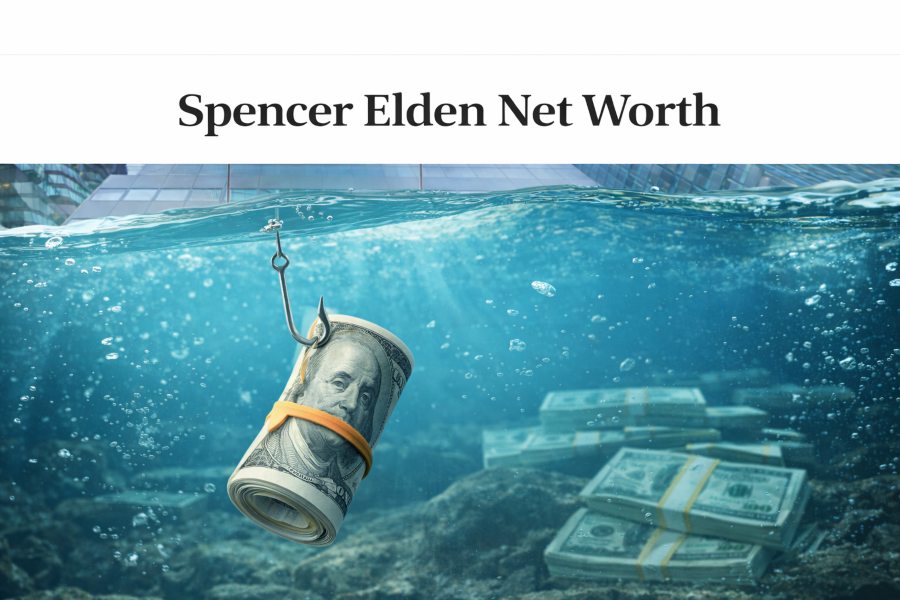
Spencer Elden occupies a unique and controversial position in music history as the "Nirvana Baby," the infant famously depicted swimming toward a dollar bill on the cover of the 1991 masterpiece *Nevermind*. While the album went on to sell over 30 million copies worldwide, catapulting Nirvana to global superstardom and altering the course of rock history, Elden’s personal financial narrative has been defined by the absence of royalties and a complex legal struggle for compensation. Unlike the members of the band or the label executives, Elden was paid a one-time fee of just $200 for the original photoshoot. His net worth today is a reflection of his career as a street artist and professional creator, heavily influenced by the psychological and legal overhead of his association with the iconic image. This investigative audit explores the economics of likeness rights, the financial drain of long-term litigation against the Nirvana estate, and the true valuation of a man whose face is globally recognized yet whose bank account has seen little of the album’s multi-billion dollar success.
The $200 Legacy: Likeness Rights vs. Royalties
In the recording industry, likeness rights for session models are typically handled as "work-for-hire" contracts. When Spencer Elden's parents agreed to the 1991 photoshoot with photographer Kirk Weddle, they accepted a standard day rate. From a financial perspective, this meant Elden possessed no equity in the *Nevermind* intellectual property. While the dollar bill on the fishhook in the photo served as a critique of capitalism, Elden ironically became a victim of a contract that offered no backend participation. As the album generated hundreds of millions of dollars in revenue for Geffen Records and the Cobain estate, Elden remained legally tethered to a flat-fee agreement that provided zero recurring wealth.
The High Cost of Litigation: Elden v. Nirvana, LLC
A significant factor in Elden’s current net worth is the legal battle he initiated in 2021. Claiming that the album cover constituted child sexual exploitation and seeking at least $150,000 from each of the defendants (including Dave Grohl and Courtney Love), Elden entered into a high-stakes legal arena. However, lawsuits of this magnitude are extremely expensive. Legal fees, expert witness costs, and the psychological toll of a global media backlash often create a negative financial impact unless a massive settlement is reached. With the lawsuit being dismissed multiple times by federal judges, Elden’s "Litigation Asset" has likely transformed into a "Litigation Liability," draining personal reserves rather than replenishing them.
| Financial Milestone | Entity Involved | Economic Impact | Status |
|---|---|---|---|
| Original Photoshoot (1991) | Kirk Weddle / Nirvana | $200.00 Income | Settled |
| 25th Anniversary Media | Various Global Outlets | Mid-Tier Appearance Fees | Passive |
| Federal Lawsuit (2021) | Nirvana, LLC / Estates | High Legal Expenditure | Dismissed/Appeal |
| Artistic Commissions | Independent Market | Variable Revenue | Active |
The Professional Artist: Independent Earning Power
Outside of the "Nirvana Baby" persona, Spencer Elden is a legitimate artist. His work in street art, graphic design, and mural painting provides his primary source of income. By distanceing himself from the commercial exploitation of his infant image, Elden has carved out a niche in the Los Angeles art scene. His net worth is largely comprised of artistic equipment, private commissions, and the intellectual property of his own creative works. While the "baby photo" overshadows his professional identity, his independent earnings reflect a stable, if modest, creative career.
The photo is taken in a Pasadena pool; Elden becomes an overnight icon before he can speak.
Elden re-enacts the photo for various paid media anniversaries; peak of his media-based income.
Litigation against the band begins; global shift in public perception and financial drain.
Commercial Appearances and Media Capitalization
Throughout his 20s, Elden successfully monetized his association with Nirvana through paid interviews and documentary appearances. For major milestones like the 10th, 17th, and 25th anniversaries of *Nevermind*, global media outlets paid honorariums for his participation. While these "Appearance Fees" provided bursts of liquidity—estimated in the low five figures—they did not constitute a sustainable long-term wealth strategy. His decision to stop these re-enactments in favor of litigation marked a definitive end to this particular revenue stream.
Likeness Valuation
Global recognition with zero royalty conversion rate.
Legal Liabilities
Ongoing expenditures for federal court appeals.
Artistic Portfolio
Independent revenue from mural design and street art.
Digital IP
Ownership of personal artistic brand and social platforms.
Real Estate and Asset Preservation
Elden’s net worth is also tied to his lifestyle in the high-cost Los Angeles metropolitan area. Without the massive wealth of a rock star, his asset preservation relies on artistic commissions and potentially inherited family equity. Unlike the band members who reside in multi-million dollar estates, Elden’s real estate footprint is that of a working professional. His wealth is anchored by tangible artistic assets and a modest liquid portfolio, providing a financial safety net that is independent of the *Nevermind* legacy.
Future Outlook: Post-Litigation Valuation
The future of Spencer Elden’s net worth depends largely on the final resolution of his legal appeals. If a settlement were ever reached, his net worth could skyrocket into the multi-millions. However, given the legal precedents and the age of the claim, analysts project his net worth will remain in its current tier. His greatest financial asset remains his story—a narrative that continues to be of high value to publishers and documentary filmmakers should he choose to monetize it via a book deal or exclusive production contract.
In conclusion, Spencer Elden’s net worth of approximately $500,000 is a testament to the strange economics of fame. He remains a global icon who has had to fight for every dollar, proving that being the face of a generation does not always equate to sharing in its riches.
