



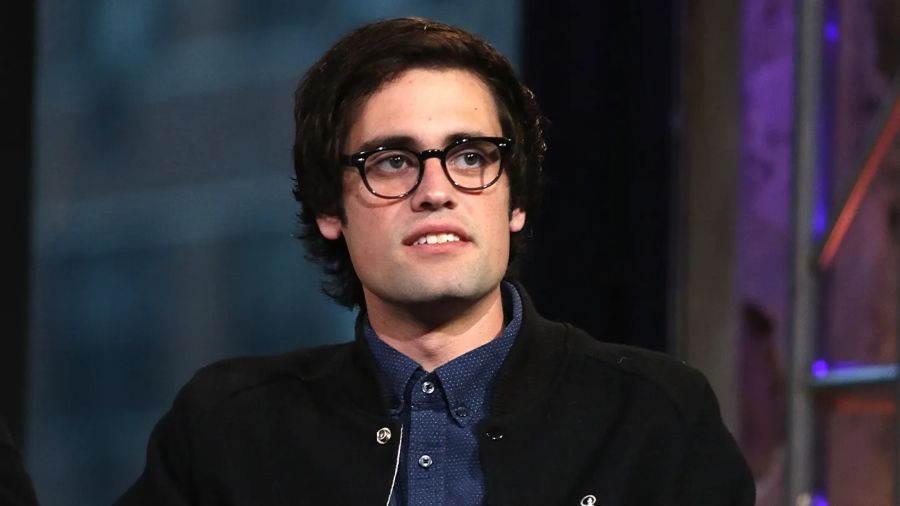
A new documentary is shedding light on the disturbing case involving Nick Reiner, who remains behind bars accused of killing his parents, Rob and Michele Reiner, while raising serious questions about mental illness, medication changes, and long-term treatment failures.
The film explores Reiner’s belief that he is the target of a conspiracy, despite reportedly acknowledging that he carried out the killings. According to those close to the family and individuals familiar with his condition, Reiner understands what he is accused of doing but does not comprehend why he is incarcerated, a mindset described as deeply delusional.
The documentary suggests Reiner’s current mental state is shaped by persistent delusions tied to a schizoaffective disorder diagnosis he reportedly received several years ago. While he allegedly accepts responsibility for the acts themselves, he reportedly believes the justice system, and even people close to him, are conspiring against him.
Experts featured in the film explain that this disconnect between awareness of actions and understanding consequences is not uncommon in severe psychiatric conditions, particularly when treatment is unstable or incomplete.
A central focus of the documentary is a reported change in Reiner’s prescribed medication roughly one month before the killings. The adjustment was allegedly made after he raised concerns about side effects, including weight gain. Mental health professionals interviewed suggest the switch may have significantly disrupted his psychological stability.
According to the film, Reiner’s behavior reportedly became increasingly erratic and aggressive following the medication change. Several experts argue that this period should have prompted closer supervision or even temporary containment while doctors reassessed his treatment plan.
The documentary claims Reiner’s condition remains unresolved while he is in jail, with medical staff still attempting to stabilize his medication regimen. Those familiar with his situation describe him as continuing to experience delusions, reinforcing concerns about whether he is currently capable of fully understanding his legal circumstances.
Reiner’s long history of substance abuse is also examined. He has previously been open about years of addiction involving drugs such as heroin, methamphetamine, and cocaine, and reportedly entered rehabilitation programs numerous times.
According to the documentary, while Reiner eventually stopped using illicit drugs, his deeper psychiatric issues were not consistently treated alongside addiction recovery. Mental health specialists emphasize that individuals with both substance abuse disorders and severe mental illness require long-term, integrated care, something they suggest was lacking in Reiner’s case.
Experts interviewed argue that short-term rehabilitation programs are often ineffective for complex cases, stressing the need for extended, structured, and sometimes custodial treatment environments.
While prosecutors have not detailed their full case and Reiner’s defense strategy has not been formally announced, the documentary speculates that his legal team may pursue a plea centered on insanity or diminished capacity.
Mental health professionals featured in the film note that cases like Reiner’s are not isolated incidents, pointing to broader systemic failures in treating individuals with severe psychiatric disorders before tragedies occur.
As the case moves closer to trial, the documentary raises difficult questions about accountability, treatment gaps, and whether different interventions could have prevented the deaths of Rob and Michele Reiner.
