



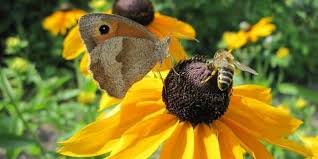
The New York State Department of Environmental Conservation has announced new actions to protect bees and other pollinators by limiting the use of certain pesticides known to harm them.
DEC Commissioner Basil Seggos said the agency will reclassify specific products containing the neonicotinoid insecticides imidacloprid, thiamethoxam, and acetamiprid as “restricted use.” Under this change, pesticides will be available only to certified applicators and may be applied only in defined circumstances. The move will also allow DEC to collect detailed data on how, where, and when these products are used, as well as their potential environmental impacts.
“Protecting pollinators is a top priority,” Seggos said. “Restricting the use of neonicotinoid pesticides is an important step in safeguarding species that are critical to New York’s environment, agricultural economy, and biodiversity. This action ensures these products are used only in targeted situations by trained professionals, further protecting public health and the environment.”
The action aligns with New York’s Pollinator Protection Plan and the state’s broader commitment to supporting pollinator health and recovery. Pollinators play a vital role in agriculture, contributing an estimated $344 million in pollination services to New York each year. Crops such as apples, grapes, cherries, onions, pumpkins, and cauliflower depend heavily on healthy pollinator populations.
While pesticides are among many stressors affecting pollinators, neonicotinoids have been identified as particularly toxic. Although commercial pesticide applications are already reported to DEC under existing regulations, residential use and consumer sales of general-use products have not been tracked. Reclassifying these products will ensure proper application and provide DEC with the data needed to better monitor their use statewide.
The new classification will take effect January 1, 2023, giving manufacturers, distributors, and retailers time to prepare. Certain products labeled for limited, directed applications to tree trunks or soil at the base of plants will be excluded from the reclassification, as they are considered adequate for controlling invasive species while minimizing pollinator exposure.
Environmental and conservation groups welcomed the announcement. Advocates said removing over-the-counter neonic products from store shelves represents a meaningful step toward reducing widespread contamination and addressing declines in bee populations. Others emphasized emerging research showing that neonicotinoids may also harm birds and other wildlife by disrupting migration, reproduction, and overall health.
DEC officials said the action represents a critical step in addressing the pollinator crisis and signals continued efforts to strengthen environmental protections across New York State.
